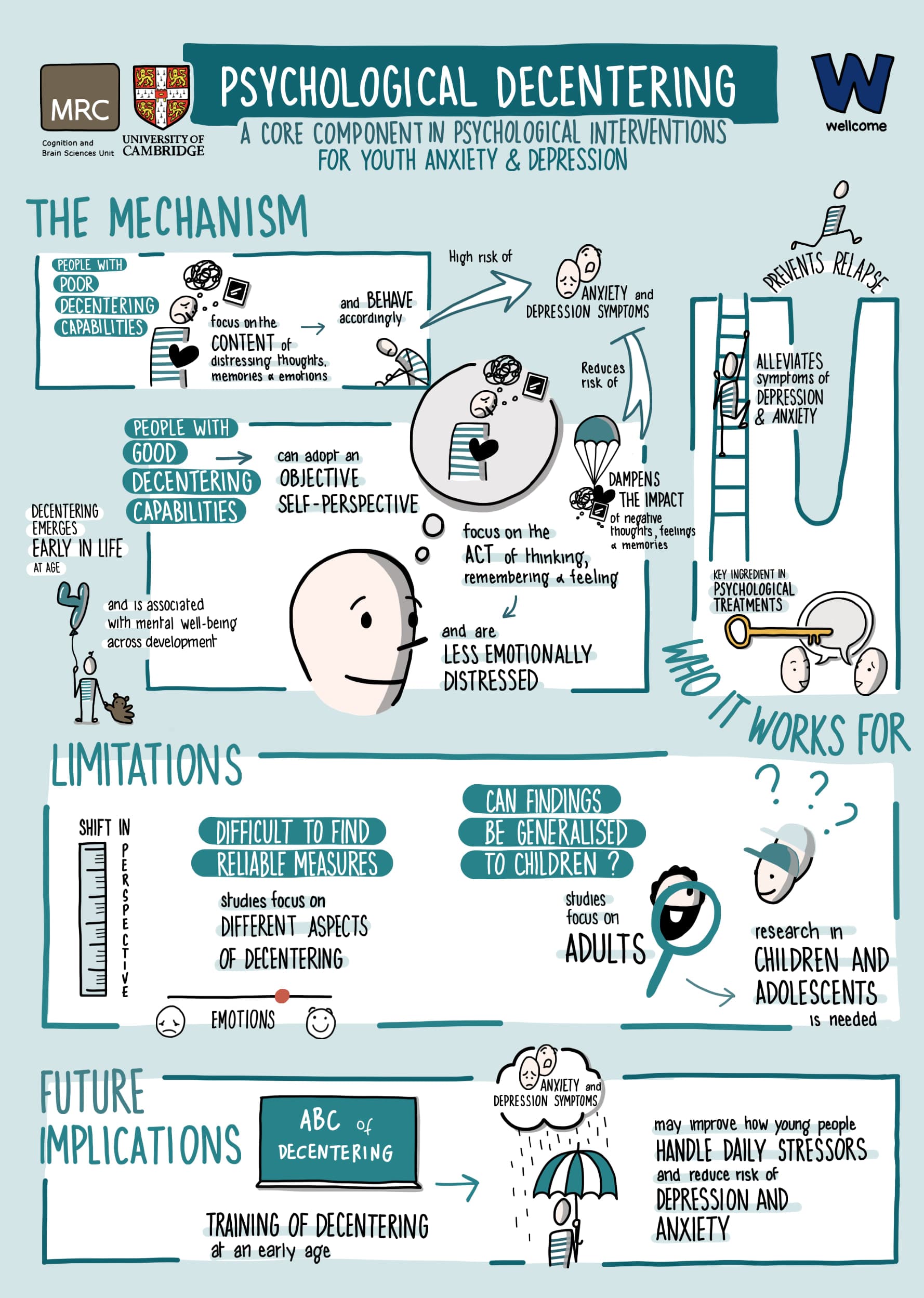
When we apply “Decentering” to look back at our past traumas, a critical question arises:
Who exactly is watching the observer?
1. Is the “Observer” Truly Objective?
When we step outside our subjective selves to achieve “decentering,” we subconsciously assume that this “third-person perspective” is omniscient, neutral, and God-like.
However, the reality is often quite different:
- The Arrogance of Hindsight: That perspective might carry the smugness of “knowing better now,” criticizing your past self for being “incompetent” based on information you didn’t have then.
- The Moral Inquisitor: The perspective may evolve into a “Moral Judge,” objectively watching yourself make a mistake and then “objectively” concluding—“I am unlovable.”
If the observer is biased, then so-called “detachment” is merely a more sophisticated and insidious way to self-inflict pain.
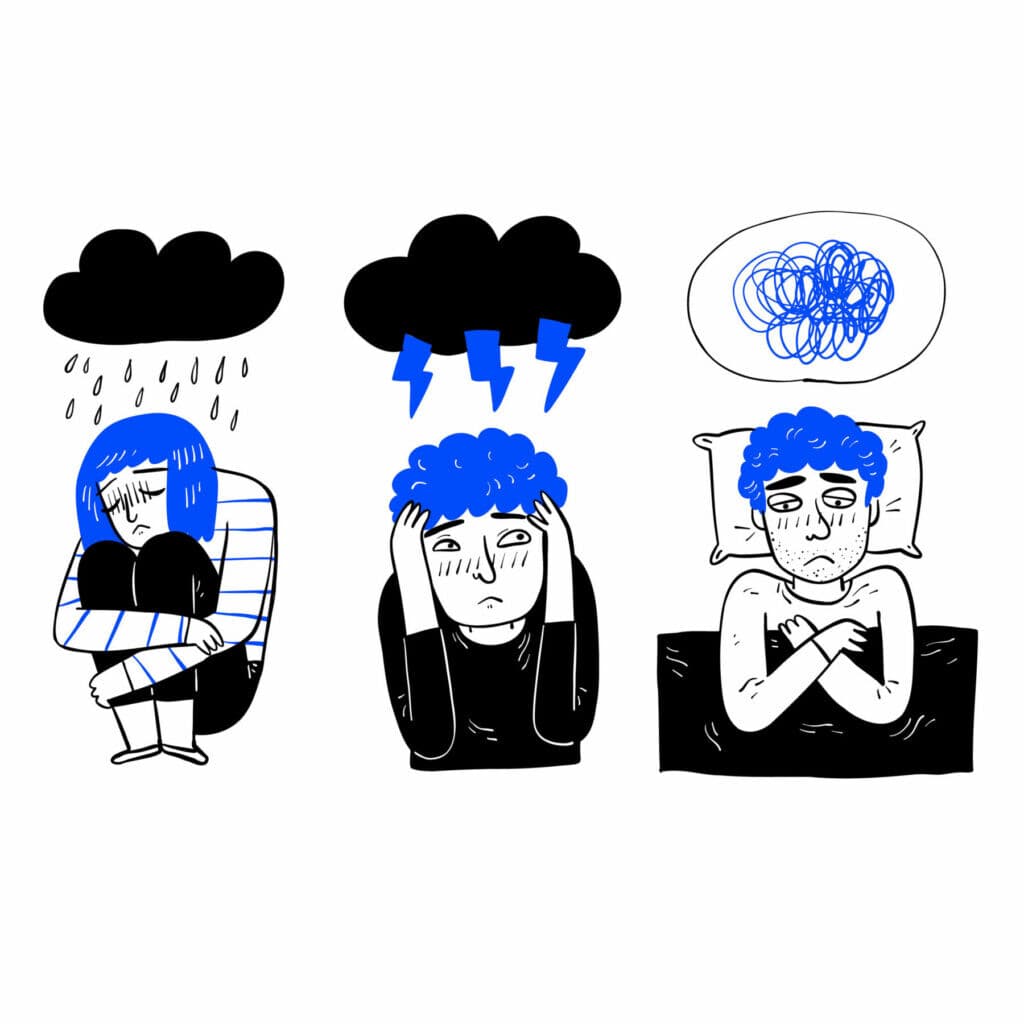
2. Are You Healing, or Conducting an “Autopsy”?
In psychodynamics, there is a defense mechanism called Intellectualization.
Many of us with a psychology background (myself included) tend to be extremely composed when discussing our trauma in public. We use terms like “attachment styles,” “PTSD,” or “lack of social support systems” with surgical precision.
While this form of decentering offers instant relief—as if the pain has vanished—it comes at a cost: You are treating your living, breathing self like a corpse undergoing a pathological analysis. You have understood the trauma logically, but you have never processed it emotionally.
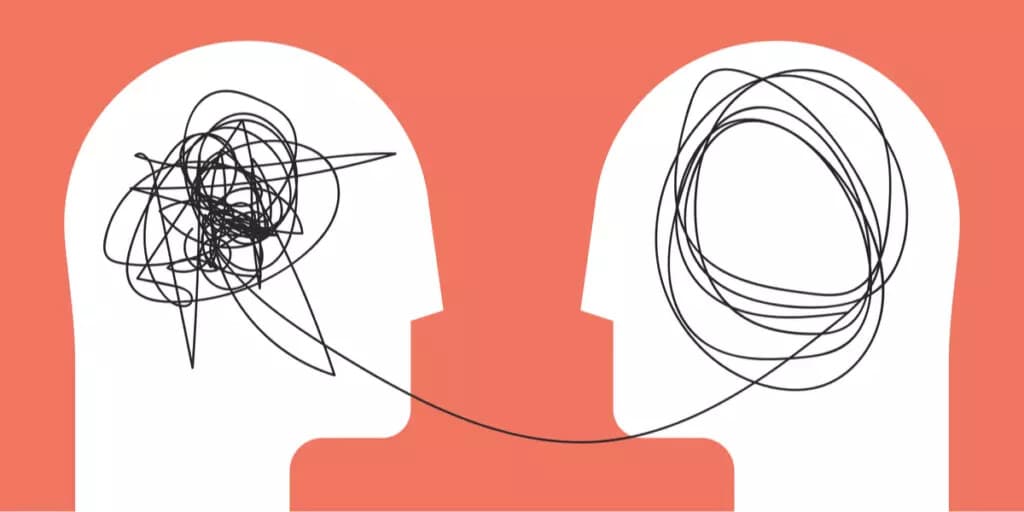
3. “Pseudo-Decentering” in Community Interactions
Posting in a mutual-aid forum is, in itself, a form of forced decentering. To make others understand, you must organize chaotic feelings into logical prose.
This creates a “Narrative Temptation”: To gain validation or “likes,” we instinctively prune away the ugliest, most irrational, and most “illogical” parts of our experience.
The result? You construct a perfect story of a “victim.” What you are observing is the story, not the raw, messy, and weeping reality of your true self.
4. Self-Distancing with Warmth
Since decentering carries risks, how do we use it correctly? True decentering shouldn’t be about “severing the connection” but about “broadening the horizon.”
- Look Beyond the Wounded Self: Observe the physical environment at the time, the limitations of others involved, and most importantly, observe the “Present You” who is doing the observing.
- Introduce Compassionate Observation: Inject a trace of human warmth into that third-person view. If your heart would break for a stranger facing the same trauma, grant your “third-person self” that same grace.

Do not strive to be an absolutely rational observer. In that movie of your past, you are the lead actor, the audience, and the director responsible for the final cut.
Acknowledging this interwoven identity may be harder than pursuing “pure decentering,” but it is much closer to genuine healing.
When you look back at your most painful moments, which perspective do you use? I’d love to hear your thoughts in the comments.🥰