A few days ago, while my assistant was helping me with a Schengen visa application, I had a sudden urge to flip through my old passport.
It was filled with customs stamps of every shape and size. 😌
Looking at them, I realized that the burning ambition I once had to traverse the world and see every corner of the earth has, for the most part, withered away. Returning to my old haunts lately, I’ve even found myself envying my twenty-something self: that version of me who carried a backpack and pursued worldly success with a relentless, “burn the boats” kind of courage.
This peculiar state of mind reminded me of a book I recently finished called *Die with Zero. In it, Bill Perkins introduces a concept called “Memory Dividends”* (or Experience Compound Interest).
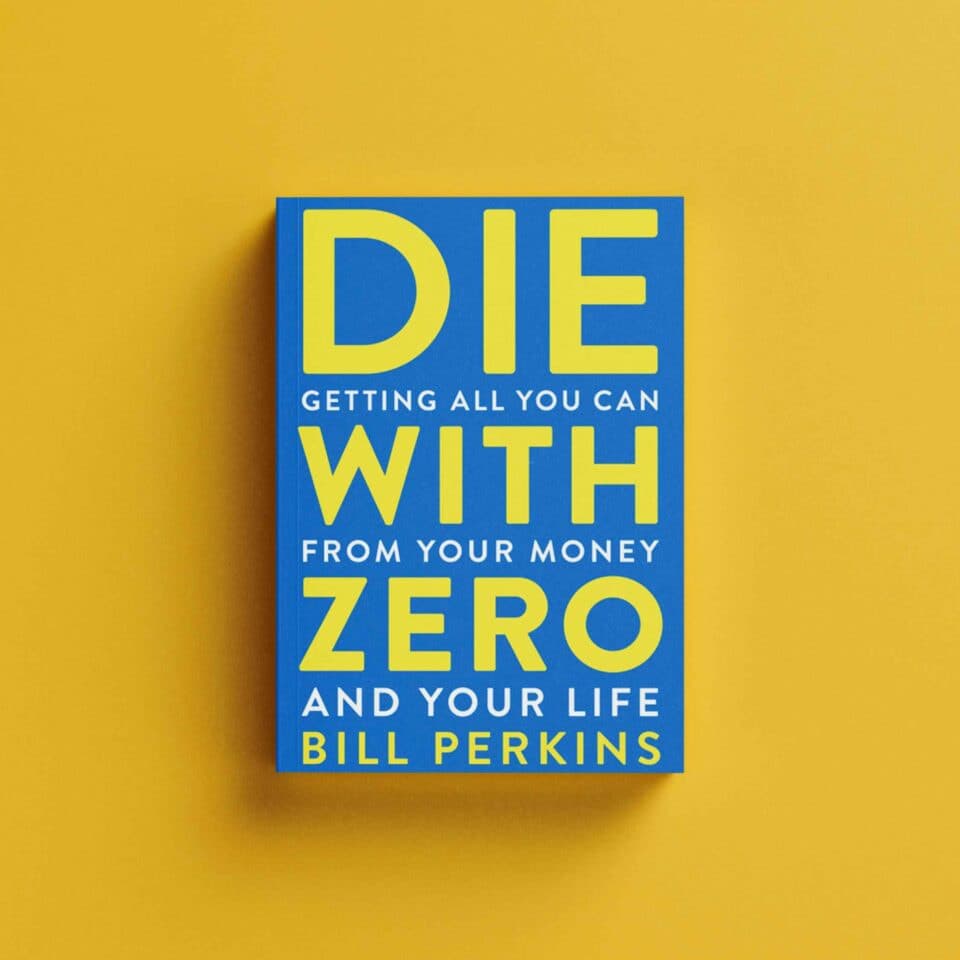
This idea completely reshaped my view of wealth. Perkins points out a startling reality:
80% of life’s most significant moments are often locked in before the age of 35, with the rest of our lives largely spent replaying those scenes.
The theory of “Memory Dividends” suggests that an experience isn’t just about the joy felt in the moment. Every time you reminisce about it or share it in the future, it generates continuous value—much like the compound interest on a smart investment.
Are you saving money, or wasting your “Memory Capital”?
Many people live by a firm conviction: we must work ourselves to the bone now to save enough to travel the world after we retire.🤔 But there is a brutal truth here.
If you do something worth remembering at age 30, you can savor that memory for fifty years. If you wait until you are 60 to do it, your window of recollection shrinks to just ten years. The time horizons are different, and the return on that investment is five times lower.
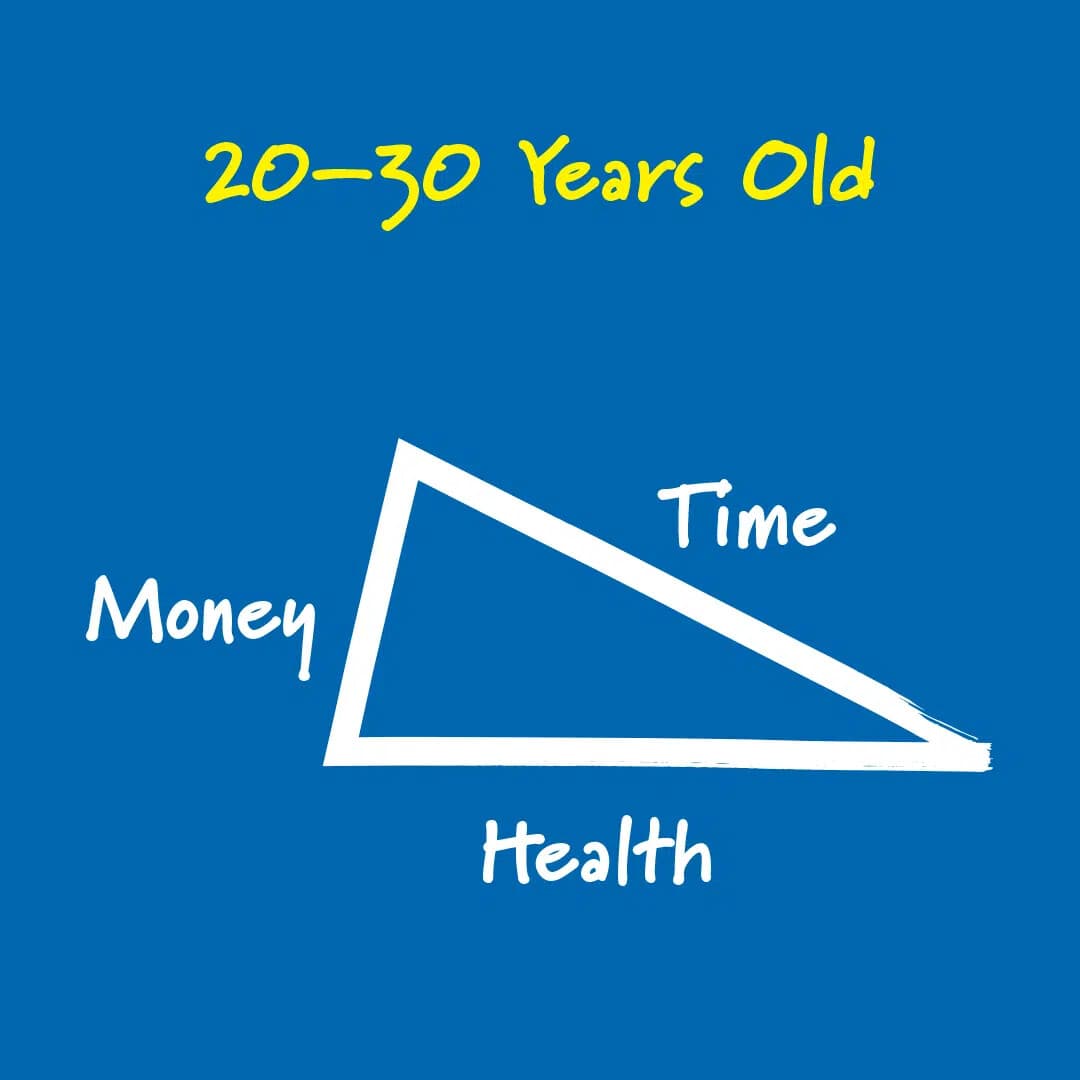
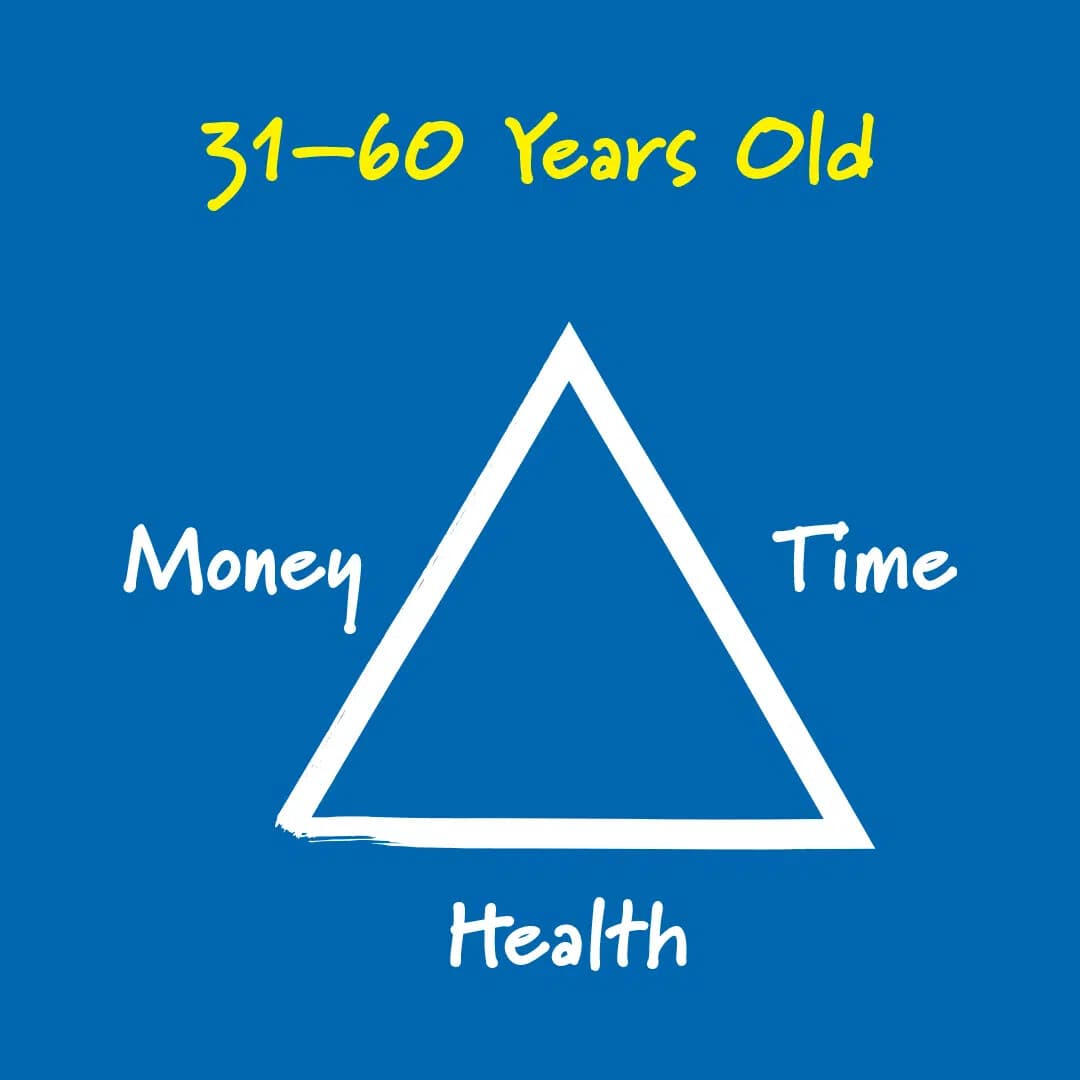
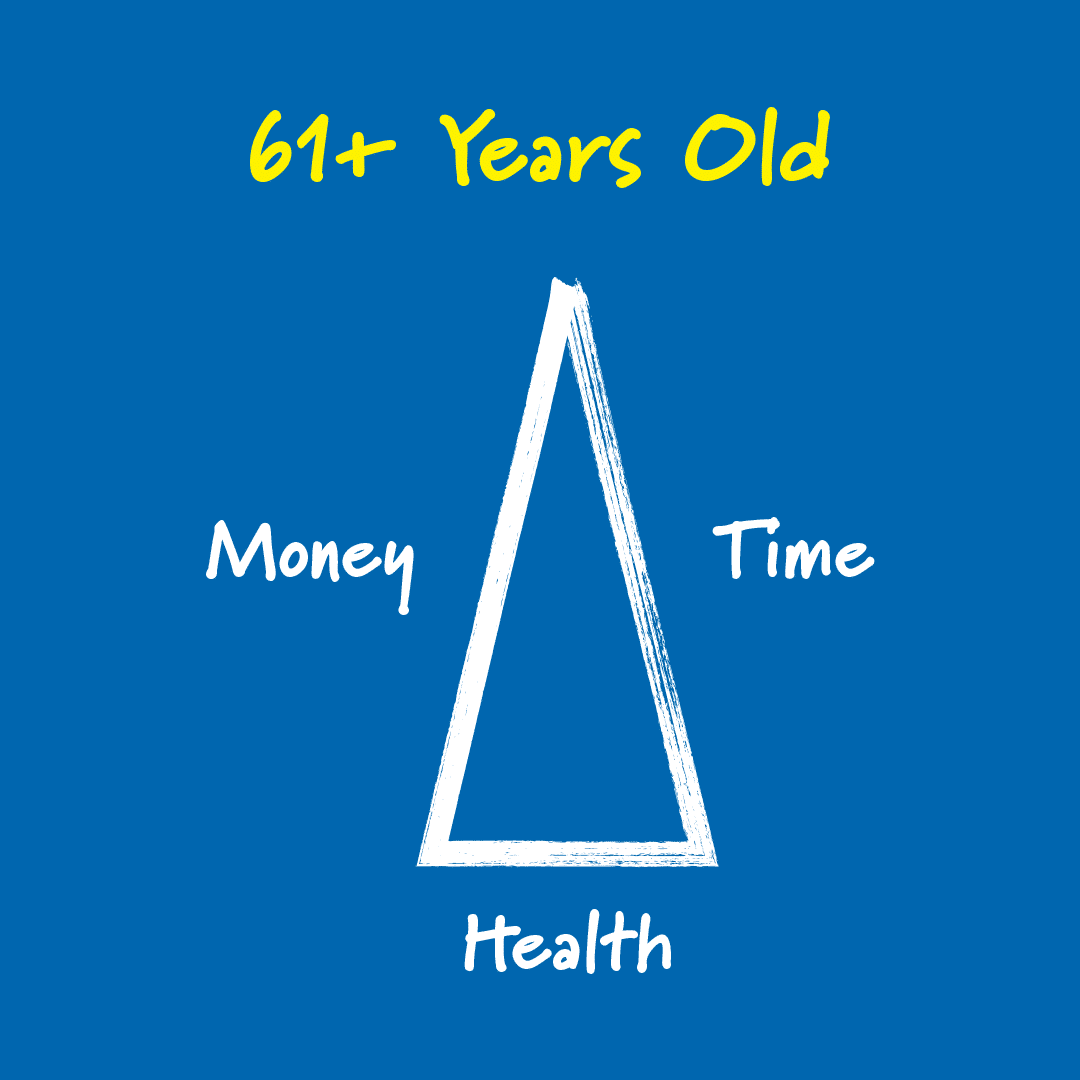
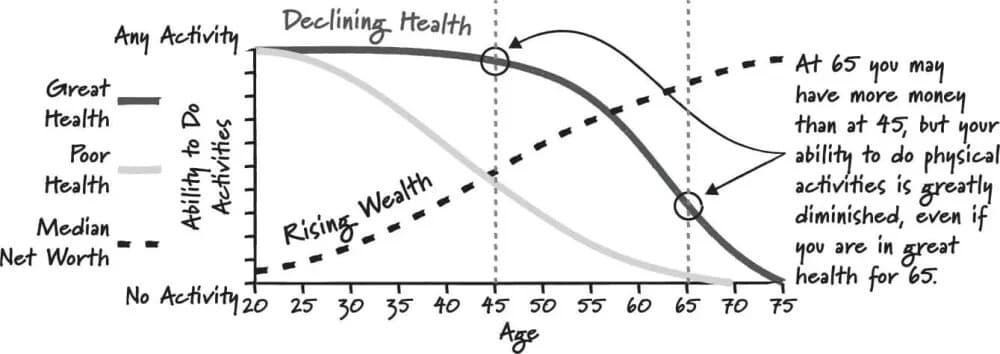
More realistically, the utility of money decreases as we age. A $5,000 trip at age 30 yields a half-century of pleasure. By age 60, you might no longer have the physical stamina for diving or trekking. Those who postpone experiences too long lose more than just their health; they lose the very time required for those experiences to compound into dividends.
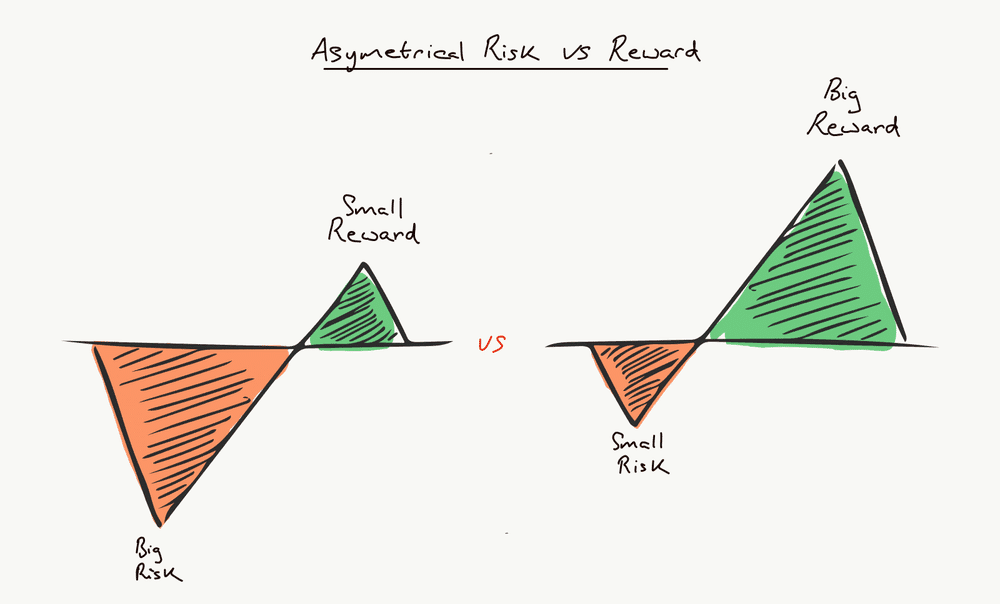
True wealth is a massive “Memory Database.”
A trip missed at 30 is a completely different experience if taken at 60. The stamina, the companions, and your entire state of mind have shifted. True abundance isn’t the number on your bank statement at the end of your life; it is the “Memory Database” in your mind that keeps paying out dividends. Instead of being trapped in the illusion that “life will be better later,” it is better to build that database now, while your passion is at its peak.
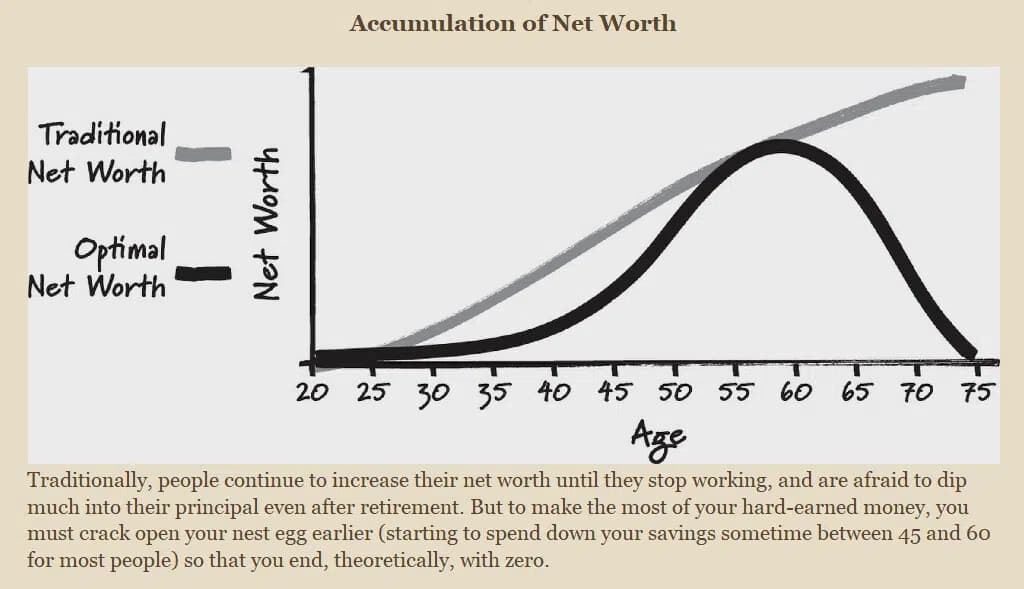
Building your “Optimal Life”
How do you reclaim these memory dividends?
First, use “Time Buckets” to plan your experiences. Divide your life into 10-year intervals and be clear about which experiences require your physical peak (ages 30 to 40) and which are better suited for later years.
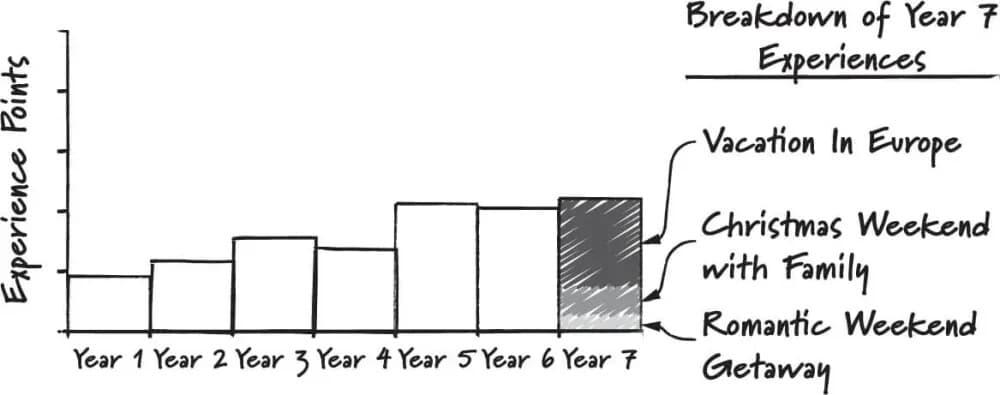
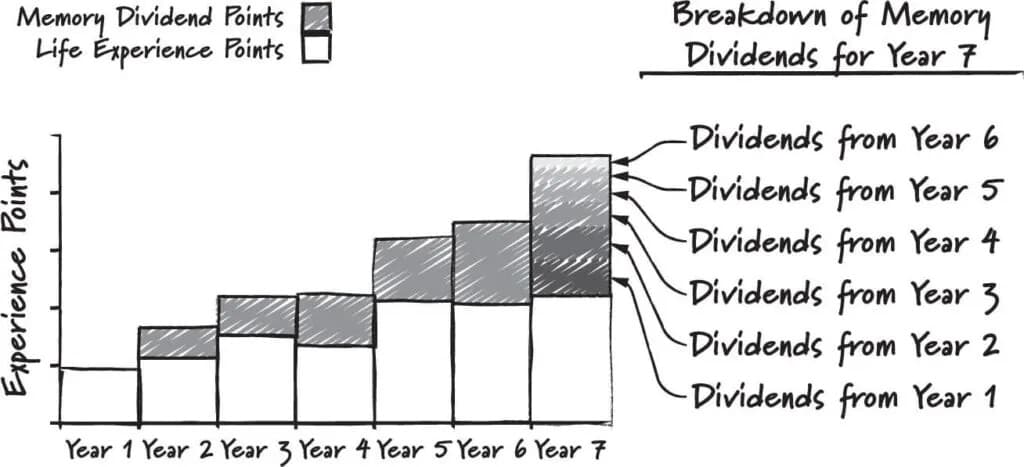
Second, prioritize your experiences. Allocate 10% to 20% of your annual income toward “Experience Investments.” Prioritize things with an “associative effect,” such as learning a language or deep social networking. These investments will bleed into and enrich your future decisions. Finally, accelerate the compounding through “sharing, connecting, and creating.” A good story grows ten times in value simply by being shared ten times.
Perkins points out that we all have many options and opportunities, and we should make decisions based on our priorities rather than fears or others’ influence.
He warns against letting our limiting beliefs and fears block our paths.
Instead of focusing on accumulating a pot of money that we won’t spend in our lifetime, he encourages us to live life to the fullest, chase memorable experiences, give our children money when they can use it best, and donate to charity while we’re still alive.
Also add that we can use his own application DieWithZero by downloading it from diewithzerobook.com
This app can help users apply the principles from his book to their lives.
Life is not meant for the accumulation of wealth, but for the creation of a life worth remembering. When you are torn over whether to spend money on an experience, remember: you aren’t consuming; you are investing in your “Memory Capital.” The value of money fades with age, while the value of a memory grows with every reflection.
Your youngest moment is right now. Go do the things you want to do. You aren’t just investing in an experience; you’re investing in every moment over the next few decades where that thought will bring a smile to your face.
Be full of energy! Believe in yourself! Live with passion!
Take care of yourself!🩷 🩷 🩷
Memory Dividends: Why Your Best Investment Isn't in Your 401(k)