A New Definition: You aren’t “broken,” you’re just fast
Most of us have been told our whole lives that we have an “attention deficit.” But in reality, the issue isn’t a lack of attention. It’s that we have too much attention—so much that we can’t always control where it lands.
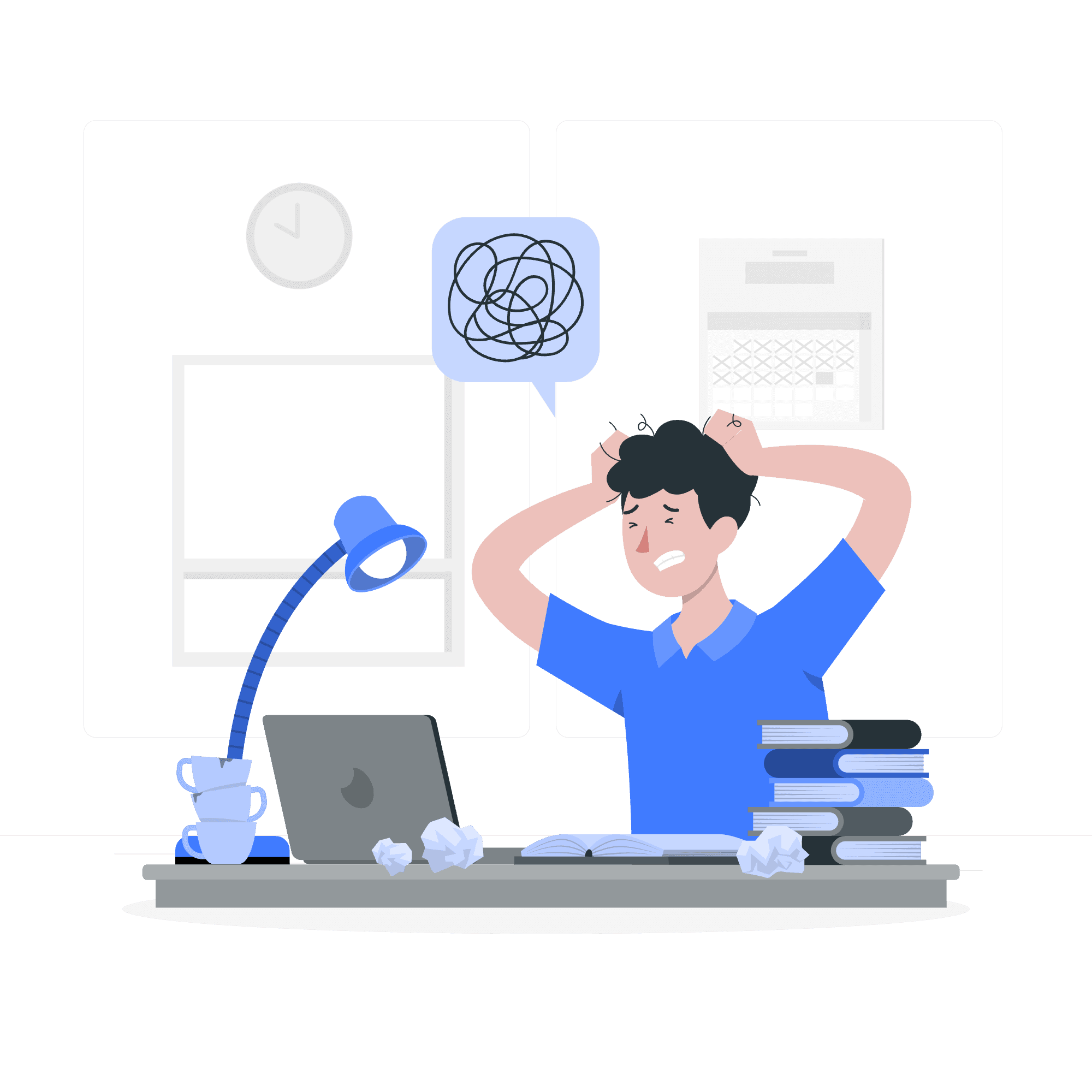
I want to look at ADHD through the lens of Dr. Edward Hallowell today. We’ll explore how small, intentional shifts can help us navigate those overwhelming moments that feel unavoidable in an ADHD life.
Dr. Edward Hallowell is a world-class psychiatrist who lives with ADHD and dyslexia himself. This makes his advice more than just medical—it’s deeply empathetic. He’s the one who came up with the “race car engine, bicycle brakes” metaphor. His whole philosophy is about “adjusting the brakes” rather than “killing the engine.” He is a pivotal figure in the world of positive ADHD management.
His approach goes beyond just medication. He focuses on connection, emotional regulation, and building a structured life that actually lets ADHD talents shine.
Dr. Hallowell uses a perfect analogy: Imagine you have a Ferrari engine for a brain, but your brake pads are only bicycle-grade. When you fly off the track, it’s not because you didn’t want to win. It’s simply because you couldn’t stop.
The goal of self-care isn’t to swap out your engine. It’s to reinforce your braking system.
The Neuroscience Truth: Don’t fall into the DMN trap
Do you ever find yourself stuck in a loop of self-criticism and worry? There is a neuroscientific reason for this.
- DMN (Default Mode Network): This is the mode an ADHD brain flips into when it’s “idle.” For us, this place can feel like it’s haunted by “demons”—full of regret and anxiety.
- TPN (Task Positive Network): This activates when you are fully engaged in something. This is where you feel that rare sense of calm and power.
Self-help tip: The moment you realize you’re spiraling into overthinking (DMN activation), get up and do something physical. Forcing a switch to TPN through sensory input is the fastest “physical reset” there is.
The Three Pillars of Self-Management
Build Deep Connections
The biggest enemy for someone with ADHD is isolation. Your strongest weapon against it is connection—with people, pets, or even a deep hobby. When things feel chaotic, talking to someone who understands you for just 5 minutes can “recalibrate” your emotions better than almost anything else.
Build an “External Brain” (Structure)
Since the internal brakes are weak, we put the brakes on the outside:
- Physical Boundaries: Keep your keys in the exact same spot. Work in the exact same spot.
- Visual Reminders: If you can’t see it, it doesn’t exist. Use clear bins and giant whiteboards instead of hiding your plans inside a phone app.
- The Buddy System: Find a “monitor,” even if they’re just sitting nearby reading while you work (this is called Body Doubling). It’s a game-changer for staying focused.
Try Complex Movement
Try activities like balance balls, martial arts, dance, or yoga. These movements require precision and coordination, which stimulates the cerebellum. Since the cerebellum has dense neural links to your prefrontal cortex (your brakes), training your physical balance actually helps balance your brain.
Recommended Reading
If you want to fundamentally change how you think about your brain, check these out:
- Driven to Distraction (Revised) – by Edward Hallowell & John Ratey. This is the foundation. It makes you realize you are absolutely not alone.
- Delivered from Distraction – by Edward Hallowell & John Ratey. This focuses on life after diagnosis and finding your specific strengths.
- ADHD 2.0: Great for understanding the latest “VAST” concepts and learning how to hack your dopamine.
- Taking Charge of Adult ADHD: If you need serious, rigorous training on executive function, Dr. Russell Barkley’s book is the gold standard.
- Order from Chaos – by Vicky Jo Varner. Very practical organizational and management tips specifically for the ADHD brain.
Recommended Video Resources
- \* **How to ADHD (Jessica McCabe)**: A very popular channel that breaks down complex neuroscience into short, fun, and actionable advice.
- \* **Dr. Russell Barkley’s ADHD Lectures**: He is one of the leading scientists in the field. His lectures are authoritative and perfect if you want to understand the underlying mechanisms.
- \* **Huberman Lab - ADHD Episodes (Dr. Andrew Huberman)**: A Stanford professor who goes deep into dopamine, supplements, and the science of exercise interventions.
Recommended Websites
- \* **ADDitude Magazine**: Tons of expert articles, webinars, and self-test tools.
- \* **ADDA (Attention Deficit Disorder Association)**: Focused on adults, providing workplace support and community connections.
If you’re feeling stuck in “ADHD Paralysis” right now, close your screen and try a simple balance exercise. Stand on one leg for 30 seconds. It helps physically force your brain to switch its network mode.
Give it a shot right now!😼
Hope these resources and tips help you out.🩷 🩷