Is that test actually "scientific"?
Search for "Psychometrics," and you’ll hit a wall of academic jargon about Cronbach’s Alpha and construct validity. It’s enough to make anyone close the tab. But here’s the problem: Most "character tests" you see on social media are built on vibes, not math. They give you a cool-sounding label, but they don't give you the truth.
In 2026, the gap between "pop psychology" and "psychometric science" is wider than ever. I decided to bridge it.
This isn't another textbook definition. It’s a breakdown of:
- The Science of "You": What actually happens under the hood of a real psychometric test.
- The MBTI Myth: Why the most popular test in the world is hated by academics (and why they might be missing the point).
- The Moody Wonder Standard: How we’re using psychometric rigor to turn static types into a dynamic growth path.
If you’re looking for a score that actually explains your life, not just your Sunday afternoon, read on.
The Evolution — From Trench Warfare to the Modern "Wonder"
Born in the Mud, Not the Spa
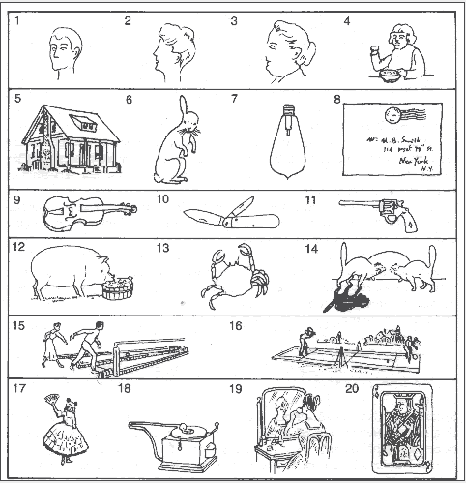
Most people treat psychometric character tests as a "self-care" ritual—something you do with a latte on a Sunday afternoon. But let’s clear the air: Psychometrics was born as a weapon of efficiency. In 1917, the U.S. The military faced a massive problem: how to sort millions of recruits into specialized roles without spending years training the wrong people? The answer was the Army Alpha and Beta tests. These weren’t designed to make soldiers feel "seen"; they were designed to predict performance under the most brutal stress imaginable.
The 2026 Shift: From "Filtering Out" to "Building Up"
Fast forward to 2026. The world has changed. In a landscape dominated by remote work and AI-collaboration, we are no longer using psychometrics just to filter people out (the old "recruitment gatekeeper" model).
Instead, we are in the era of Relational Intelligence. We use these tests to build people up. At Moody Wonder, we’ve taken the cold, hard math of the 1900s and infused it with a 2026 soul. We don't want to know if you fit a "slot"; we want to know how your unique cognitive wiring can create a "Wonder" in your career and relationships.
Career Interest Test
Workplace Adaptability Test
Career Value Test
Why Most "Psychometric" Tests are Just Digital Horoscopes
You’re tired of being "mislabeled."
We’ve all been there. You spend 10 minutes answering questions about whether you prefer parties or books, only to receive a result that feels like a generic fortune cookie. One day you’re an "Introverted Leader," the next you’re a "Spontaneous Adventurer."
In the industry, we call this the "Vibe-Check Trap." Most online character tests aren't actually measuring your personality; they are just reflecting your current mood. In 2026, as our lives become more curated by AI and algorithms, this "surface-level" testing is failing us. It doesn't tell you who you are, it just tells you who you were for five minutes on a Tuesday afternoon.
What is "Psychometrics," anyway? It’s not just a quiz
If you’re searching for a "Psychometric character test," you’re likely looking for something with more "teeth" than a BuzzFeed quiz.
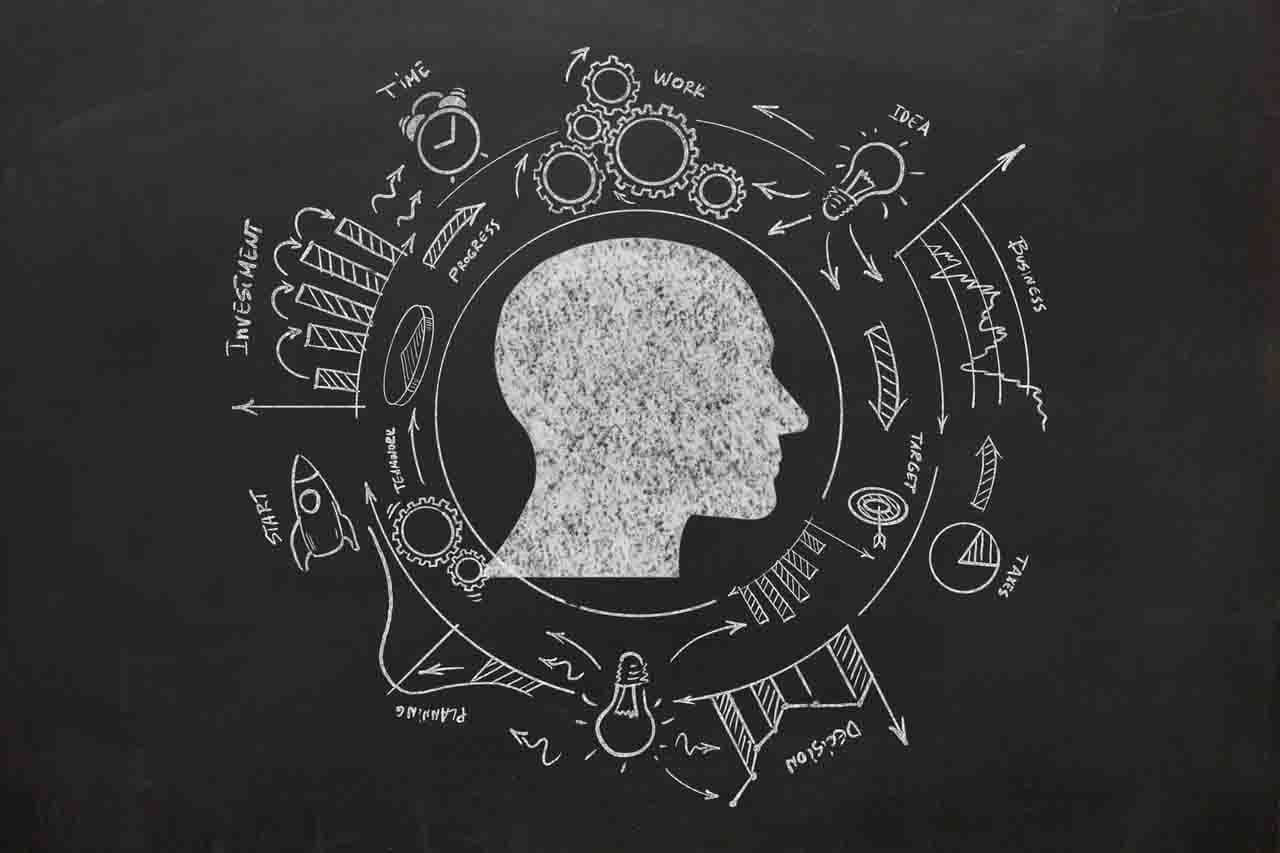
Psychometrics is the intersection of Psychology and Mathematics. It’s the rigorous science of assigning numbers to the invisible parts of the human soul. A real psychometric tool doesn't just ask questions; it undergoes a brutal auditing process called Validation.
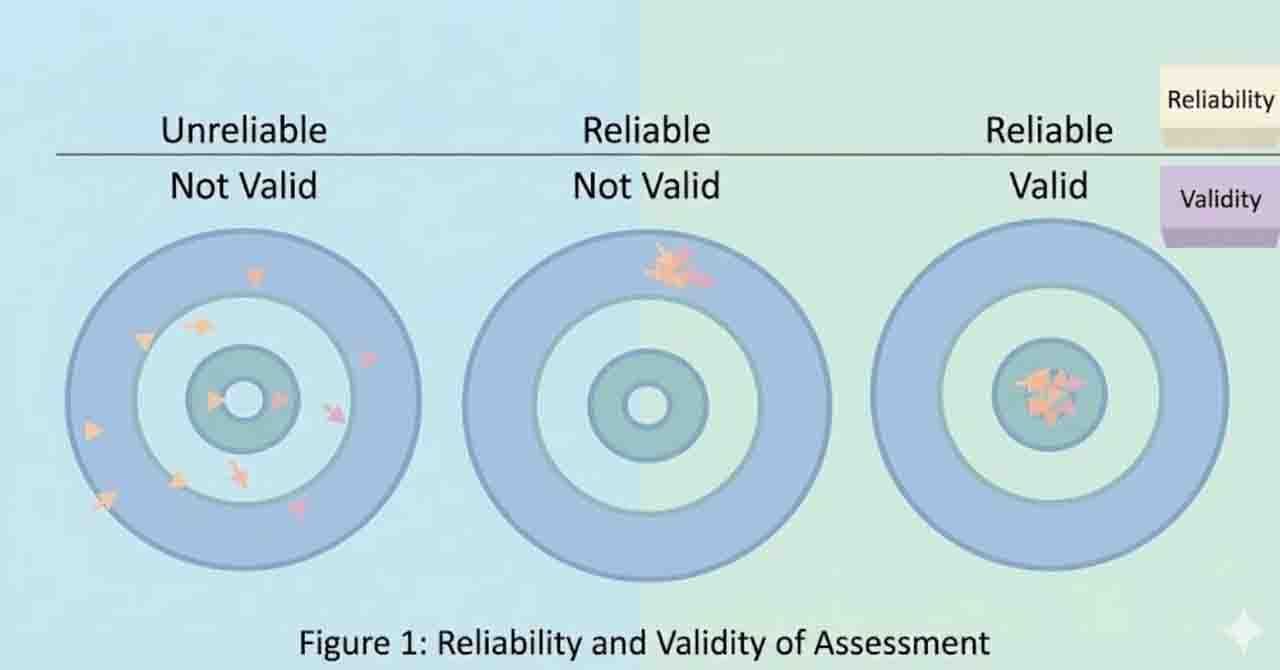
To be a true "Psychometric" tool in 2026, a test must survive two gatekeepers:
- Reliability (The Consistency Rule): If you take the test again in three weeks, does it give you the same core blueprint? If the answer is no, it’s not science—it’s noise.
- Validity (The Truth Rule): Does the test actually measure what it claims to measure? Does an "Extraversion" score actually predict how you’ll behave in a crowded Zoom meeting?
The 2026 Identity Crisis: Why the Science Matters Now
Why am I being so "hard" on standard quizzes? Because in 2026, the stakes are higher.
We aren't just taking these tests for fun anymore. We use them to choose career paths, navigate remote-work burnout, and understand why we keep "ghosting" people in digital dating. When the tool is broken, the life advice is broken too.
A high-quality psychometric character test is like a high-definition mirror. It should reveal the parts of your behavioral patterns that you’ve been blind to—not just confirm what you already want to believe about yourself.
Capability vs. Character — What You "Can Do" vs. Who You "Are"
In the world of psychometric testing, we often see massive confusion between Can Do and Will Do.
Aptitude tests (or cognitive ability tests) are designed to measure your raw processing power. They look at your numerical reasoning, verbal logic, and spatial awareness. Think of this as the hardware of your brain. It tells an employer or a coach if you have the "RAM" to handle complex data or the "CPU speed" to solve problems under a ticking clock.
Character: The Operating System That Runs the Show
Now, let’s talk about the Psychometric Character Test. This isn't about how smart you are; it’s about how you are wired to behave.
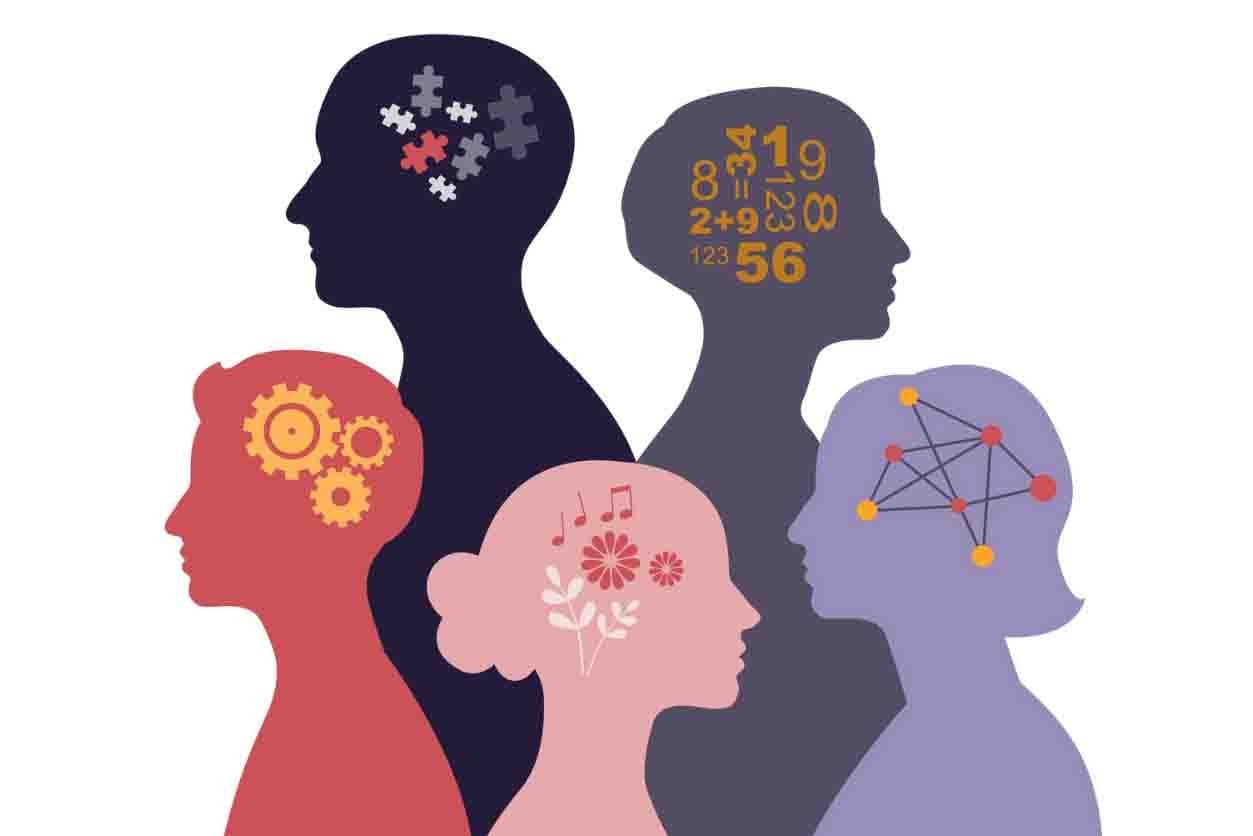
While aptitude is your hardware, your character is your Operating System (OS). You could have the fastest processor in the world, but if your "OS" isn't compatible with a high-stress environment, you will crash. Character assessments measure your tendencies: Are you energized by people? Do you prioritize harmony over hard facts? How do you react when a project fails?
Unlike aptitude, character doesn't have a "score" of 100. There is no "pass" or "fail." There is only Alignment.
The 2026 Shift: Why Character is the New Currency
In 2026, AI can handle most of the "Aptitude" heavy lifting. It can calculate faster, code cleaner, and analyze data deeper than any human. This has shifted the value of psychometrics.
We no longer need to know if you can "do the math"—we have machines for that. We need to know who you are when the AI output is ambiguous. We need to know if you have the empathy to lead a remote team or the grit to pivot when a business model dies.
At Moody Wonder, we focus on the "Software." We believe that in the age of intelligence, your Character Map is your most valuable asset.
The Great Personality War — Trait Theory (Big Five) vs. Type Theory (MBTI)
The Academic Darling: Why Science Loves the "Big Five"
If you walk into a psychology lab in 2026 and mention "Psychometrics," they will immediately point you to the Big Five (OCEAN model).
From a purely mathematical standpoint, the Big Five is the gold standard. It measures five broad traits: Openness, Conscientiousness, Extraversion, Agreeableness, and Neuroticism. It’s precise, it’s stable, and it’s… well, a bit boring.
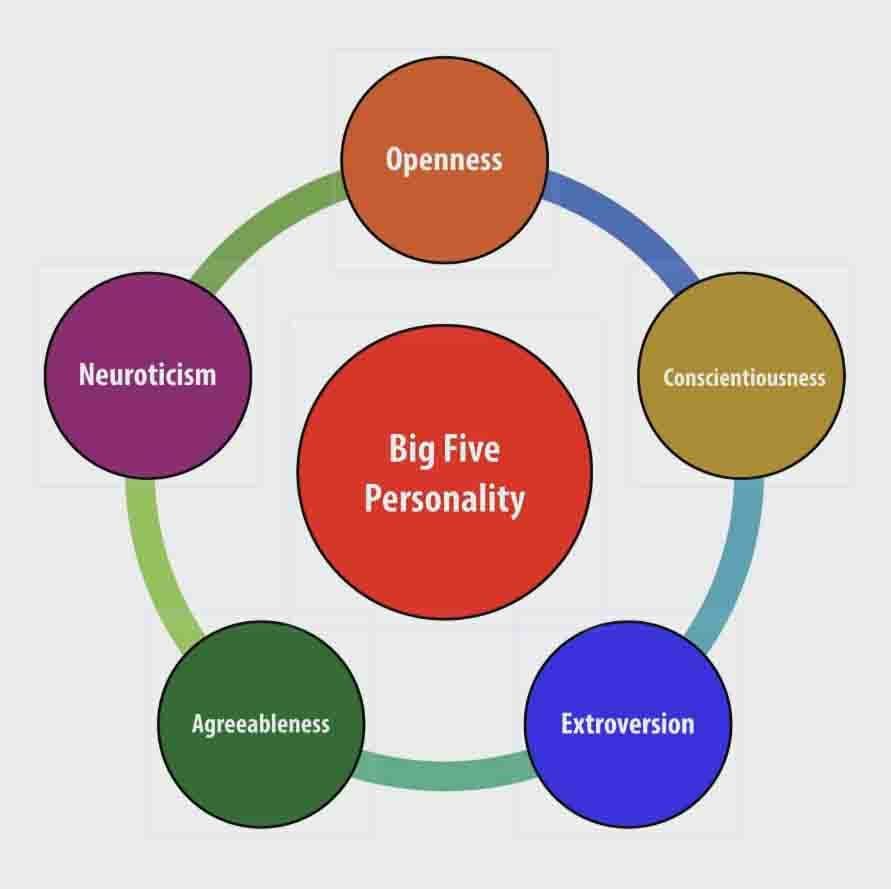
The problem with the Big Five in a real-world setting? It’s a spreadsheet, not a story. Being told you are "72% Extraverted and 14% Neurotic" doesn't help you understand why you struggle to connect with your boss or why you feel drained after a weekend with friends. It gives you the "What," but it fails to give you the "So What?"

The "Rebel" Logic: Why Humans Actually Need MBTI (Type Theory)
This is where the elitist academics usually get uncomfortable. While they dismiss MBTI as "unreliable," the rest of the world uses it for one simple reason: It creates a shared language.
MBTI is based on Type Theory. It doesn't just rank you on a scale; it describes Cognitive Architecture.
- The Big Five tells you how much of a trait you have (like measuring the temperature of a room).
- MBTI tells you how your brain is wired to process information (like knowing the floor plan of a house).
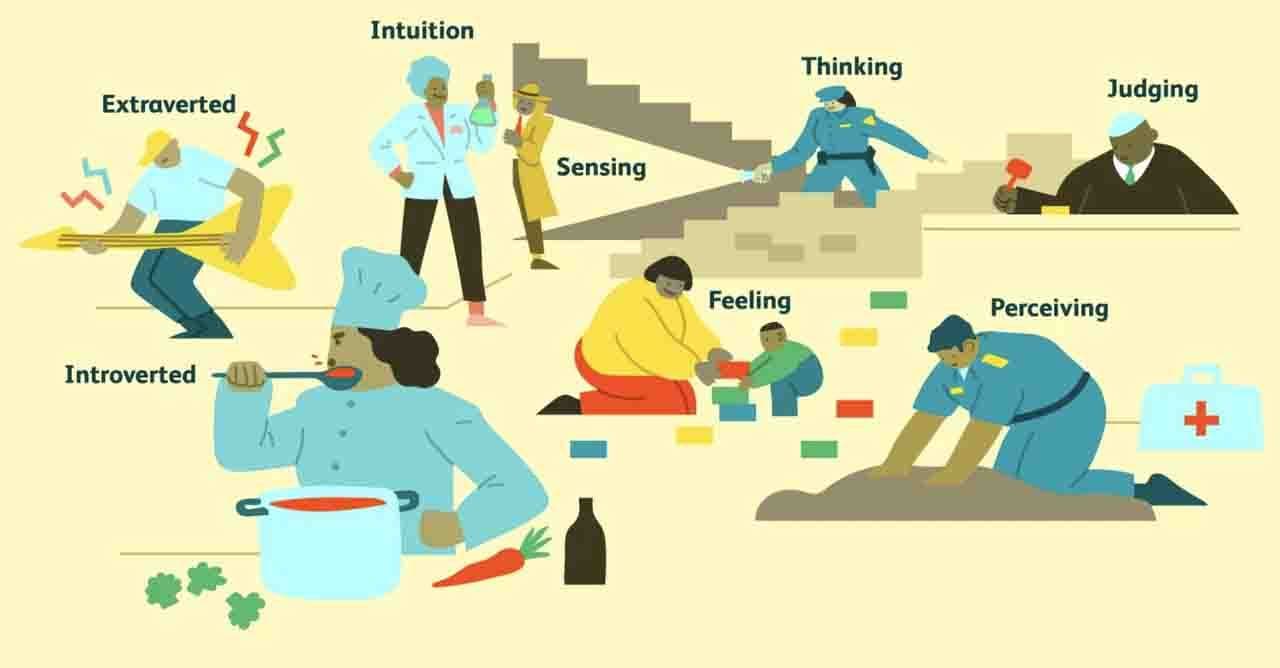
In 2026, we don't just want to be "measured." We want to be understood. We want a framework that helps us say, "Oh, that's why I prioritize logic over harmony in a crisis." That is the power of a "Type"—it provides an Identity Anchor that a percentage score never can.
The 2026 Synthesis: Why Moody Wonder Chooses the "Best of Both Worlds"
At Moody Wonder, we refuse to choose between "Clinical Rigor" and "Human Connection."
We use the MBTI framework because it is the most intuitive tool for personal growth and relational intelligence. But we apply Psychometric Rigor to the back-end.
We’ve stripped away the 1940s stereotypes and rebuilt our assessments to reflect the nuances of 2026. We don't just give you a 4-letter code; we give you a Dynamic Growth Map. We treat your "Type" not as a fixed cage, but as a starting point for your evolution.
Why Employers Obsess Over Your Metrics
Why Intuition is a Bad Business Decision
In the old days of hiring, a firm handshake and a good suit could get you the job. But in 2026, the world of remote work and global teams has made the "vibe check" obsolete. Employers have realized that human intuition is riddled with Unconscious Bias. We subconsciously hire people who remind us of ourselves, which leads to "stagnant" cultures.
Psychometric data acts as a de-biasing filter. It allows a CEO in London to understand the cognitive wiring of a candidate in Chiang Mai without ever meeting them in person. It’s not about judging you; it’s about finding an objective truth that a 30-minute Zoom call simply can't reveal.
Predicting the "Quitters" and the "Quakes"
Why does a company like Google or McKinsey spend so much on psychometric character tests? Because the cost of a "bad hire" is astronomical—often 1.5x to 2x the employee’s annual salary.
Companies use your data for two predictive metrics:
- Retention Predictors: Someone with a "High Openness" but placed in a repetitive data-entry role is a flight risk. The algorithm flags this before the contract is even signed.
- Culture Add vs. Culture Fit: In 2026, progressive companies aren't looking for people who "fit in" (Culture Fit); they look for the missing piece of the puzzle (Culture Add). If a team is 100% "Visionaries," they will use psychometrics to find an "Executor" to ground them.
The 2026 Checklist — The Anatomy of a High-Quality Assessment
The "Barnum Effect" Trap: Is It Insight or Just a Fortune Cookie?
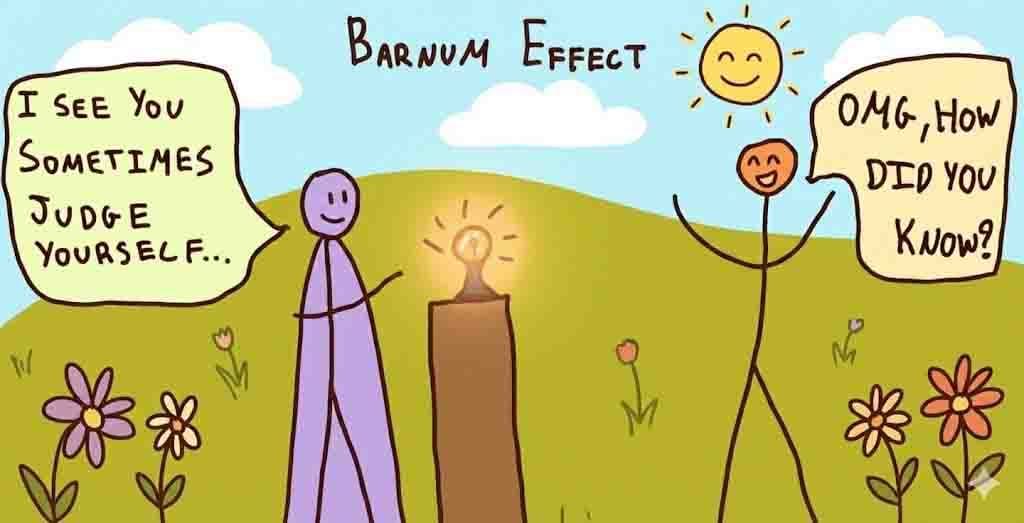
Have you ever read a personality report and thought, "OMG, this is so me!" only to realize the description is so vague it could apply to a golden retriever? In psychometrics, we call this the Barnum Effect.
A 2026-grade psychometric character test must fight this. It should tell you things about yourself that are uncomfortable, specific, and even a little bit annoying. If your report only contains "inspiring quotes" and "strengths," you’re not looking at a scientific assessment; you’re looking at a marketing brochure for your ego.
Criteria #1: Dynamic Norming (Why 1950s data fails 2026 humans)
Most MBTI and Big Five tests used today are based on "norms" (average scores) collected decades ago. But the human psyche in 2026 is different. We navigate digital burnout, remote-work isolation, and AI-driven social anxiety.
A high-quality tool must use Dynamic Norming. This means the algorithm constantly updates its "average" based on the real-time data of modern users. At Moody Wonder, we don't compare you to a 1950s factory worker; we compare you to your peers in the digital age.
Criteria #2: Bias-Mitigation Algorithms
Let’s be real: when we take these tests, we lie. Not intentionally, but we answer as the "best version" of ourselves (Social Desirability Bias).
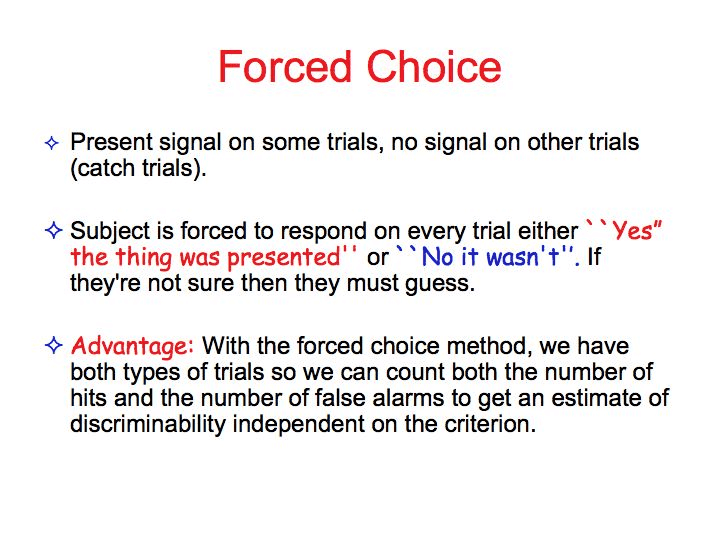
A true psychometric tool uses "forced-choice" or "ipsative" scaling to trip up your ego. It forces you to choose between two equally attractive (or unattractive) traits. This is how we get past your self-image and find your true cognitive wiring.
Criteria #3: The Actionability Coefficient (The "So What?" Factor)
This is the ultimate test. In 2026, data is cheap; transformation is expensive.
If a test gives you a score but no roadmap, it has failed. Psychometrics should serve as a bridge to Neuroplasticity. The goal of measuring your character isn't to put you in a cage; it’s to show you exactly which "mental muscles" you need to train to move from where you are to where you want to be.
Beyond the Laboratory: Psychometrics in the 2026 Real World
The "Ghosting": Why Your Attachment Meets Your Psychometrics
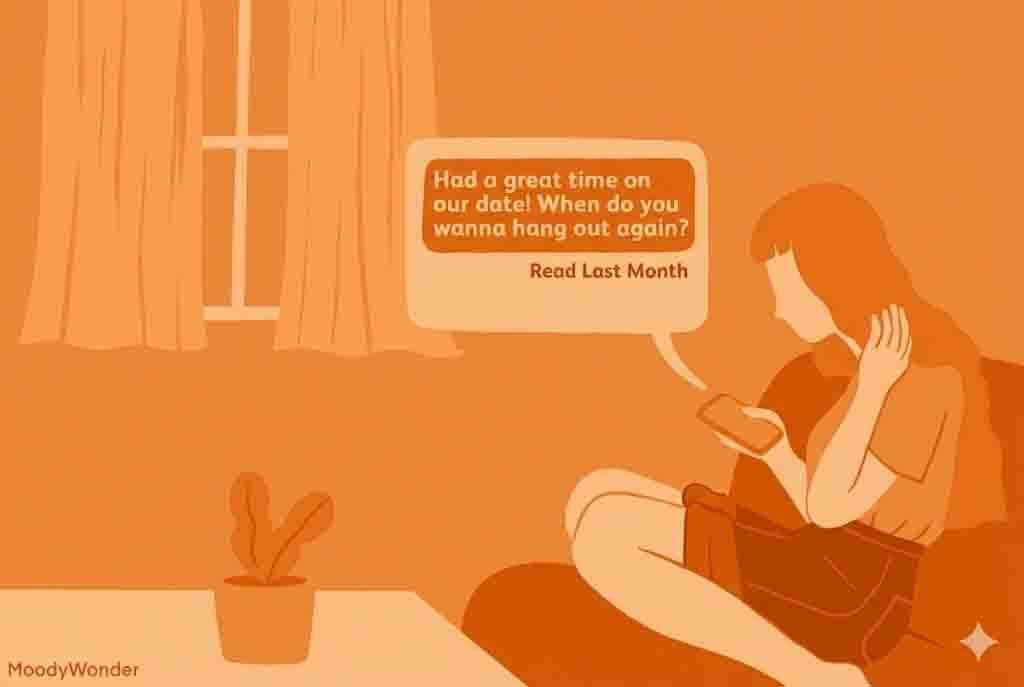
In 2026, the #1 relational stressor isn't infidelity; it's uncertainty. Why do some people need three paragraphs to say "Hi," while others leave you on "read" for three days?
Standard psychometric tests will tell you your score on Agreeableness. But at Moody Wonder, we look at the "Communication Delta." If your cognitive wiring prioritizes Internal Reflection (Introversion) but your partner's wiring demands External Validation (Extraversion), you’re not "incompatible"—you’re just speaking two different psychological dialects.
Understanding this psychometric gap is the fastest way to stop "ghosting" anxiety in its tracks.
Psychometrics vs. The "Remote Work Burnout"
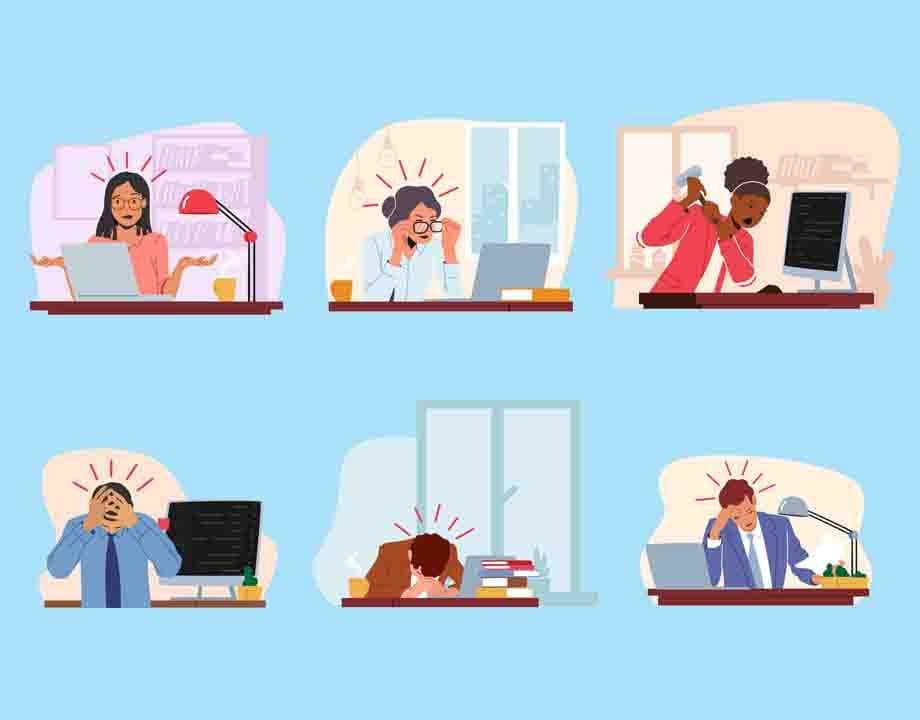
By 2026, we’ve realized that Zoom fatigue isn't just about the screen—it's about Cognitive Misalignment.
- The High-O (Openness) Employee: Suffocates in repetitive remote tasks. They need "creative sprints" to stay alive.
- The High-C (Conscientiousness) Employee: Thrives on structured Slack channels but burns out when the boundaries between "home" and "office" blur.
If you don't know your psychometric profile, you can't design your workday. You're just fighting your own biology. We use these metrics to help you build a "User Manual for Your Brain" so you can stop "grinding" and start "flowing."
The Future of "Self-Correction": Can AI Fix Your Personality?
This is the cutting edge of 2026 psychometrics. We are moving from Static Assessment to Real-Time Intervention. Imagine a tool that doesn't just tell you that you are "prone to stress" but actually alerts you when your digital behavior (typing speed, app usage) suggests a Psychometric Drift towards burnout.
This is why we focus on the "Wonder" in Moody Wonder. We believe that once you have the data, you gain the power of Adaptive Personality. You are no longer a victim of your "Type"; you are the architect of your behavior.
Can You "Cheat" the System?
The "Ideal Candidate" Illusion
Go to any career forum in 2026, and you’ll find threads titled: "How to pass a personality test for a McKinsey interview." Most people approach a psychometric character test with a mask on. They try to guess what the "right" answer is. They want to appear like a perfectly balanced, stress-proof, hyper-productive machine.
This is known as Social Desirability Bias—the tendency to answer questions in a way that will be viewed favorably by others.
Trying to "game" the test is like trying to fake a blood test by drinking more water. You might dilute the results, but you won't change your DNA.
How the Tech Catches You: Ipsative Testing & Lie Scales
If you think you can outsmart a 2026-grade algorithm, think again. Professional psychometric tools (the kind we study at Moody Wonder) use two primary "trap doors":
- Ipsative (Forced-Choice) Scaling: Instead of asking if you are "hardworking" (where everyone says yes), we force you to choose between two positive traits, like: "Are you more organized or more creative?" You can't be both in this question. This forces your true priorities to surface.
- The "Lie Scale" (Infrequency Scales): The algorithm tracks consistency. If you claim to "never have a bad thought" or "always finish every task ahead of time," the system flags your report for Low Social Desirability Validity.
The 2026 Reality: The Cost of "Winning" the Test
Here is the secret no "career coach" will tell you: Winning the test by faking it is the fastest way to lose at life. In 2026, the goal isn't "High Performance"—it's Alignment. If you fake a "high-extraversion" profile to get a sales job, but you are a "deep-thinking introvert," you are signing your own burnout warrant. You will spend every day fighting your own nature.
At Moody Wonder, we don't treat the test as a hurdle to clear. We treat it as a Mirror of Truth. Our 2026 methodology encourages Honesty, because the data is only valuable if it leads to a lifestyle and career that actually fits your soul.
The "Red Flag" Guide: Spotting Fake Psychometrics in the Wild
Red Flag #1: "The 10-Question Miracle."
If a test claims to decode your entire childhood and career path in 10 questions, it’s a scam. Reliable psychometrics require Iterative Verification. A real test needs enough data points to filter out your "mood of the moment."
Red Flag #2: All-Positive Results
Real people have "shadow sides." If your report sounds like a series of Instagram captions about how amazing you are, it's not a psychometric tool—it's an Ego-Stroking Machine. A valid test should hold up a mirror to your weaknesses as clearly as your strengths.
Red Flag #3: Static Labels
In 2026, any test that tells you "This is who you are, forever" is scientifically outdated. The most exciting discovery in modern psychology is Neuroplasticity. A true psychometric test should be a baseline, not a finish line.
The Next-Gen Tech: Gamification, SJTs, and the End of "Boredom"
Situational Judgment Tests (SJT): Testing You in the "Heat of the Moment"
The biggest flaw of traditional psychometric character tests is that they ask you to describe your behavior in a vacuum. "Are you a good leader?" Everyone says yes.
In 2026, we’ve moved to Situational Judgment Tests (SJTs). Instead of asking you who you are, we put you in a digital scenario: “It’s Friday at 5 PM. Your biggest client just threatened to leave, and your lead developer just quit. What do you do first?” SJTs don't have "right" answers; they have "Aligned" answers. They measure your decision-making DNA in real-time. This is where your true character—not your polished interview persona—comes to light.
Gamified Assessment: Data Hidden in Play
Why answer 100 questions when you can play a 5-minute game? Gamified psychometrics are the biggest trend in 2026. By tracking how you solve puzzles, how much risk you take for a reward, and how quickly you recover from a "Game Over," algorithms can extract thousands of data points about your personality traits.
The beauty of gamification is that it bypasses your "Social Desirability Bias." When you’re focused on winning a game, you forget to "fake" your personality. You become your most authentic self.
The Moody Wonder Vision: Beyond the Static Snapshot
At Moody Wonder, we are obsessed with the transition from Static to Dynamic. Most tests give you a "Snapshot"—a picture of who you were on the day you took the test.
But humans are not static. We change. Our 2026 roadmap involves integrating these next-gen techniques to create a Living Personality Profile. We believe that your character is a movie, not a photograph. By combining the narrative power of MBTI with the behavioral tracking of next-gen tech, we give you a tool that grows as you grow.
Your Personality is a Compass, Not a Cage
The Bottom Line: Data is Cheap, Meaning is Rare
We are drowning in data. By 2026, you can track your steps, your sleep, and even your blood glucose with a ring on your finger. But when it comes to the most complex system in the known universe—your personality—why are we still settling for 1950s-style "static" labels?
A true psychometric character test shouldn't just tell you who you were yesterday. It should act as a high-precision GPS for who you want to be tomorrow. If your test result ends with a PDF that you never open again, it wasn't a tool; it was an ornament.
The Power of "Adaptive Personality"
The most important takeaway from modern psychometrics is this: Neuroplasticity is real. Your "Type" (MBTI) or your "Traits" (Big Five) are your starting point, your biological default. But they are not your destiny.
In the high-pressure, hyper-connected world of 2026, the people who thrive are those who understand their "wiring" so well that they know exactly how to re-wire it when the situation demands it. This is what we call Adaptive Personality, and it’s the ultimate competitive advantage in both love and career.
Stop Guessing. Start Growing.
Don’t let another year go by defined by "unconscious patterns" and "relational blind spots." You deserve a psychometric insight that is as sophisticated as the world you live in.
At Moody Wonder, we’ve bridged the gap between the clinical rigor of a psychology lab and the intuitive wisdom of a personal coach. We don't just give you a four-letter code; we give you a Daily Growth Path that turns your results into your reality.

CTA
Ready to see the "Wonder" in your data?
Stop taking tests that put you in a box. Take the only assessment designed for the complexities of 2026. Discover your cognitive blueprint, identify your "shadow" triggers, and unlock a roadmap for real, measurable growth.